
In regular systems without artificial intelligence, mistakes by users are often seen as the user’s fault, while mistakes by the system are blamed on the system designers. But in AI systems, there’s another type of mistake called context errors.
Context errors happen when the AI system assumes something about the user that’s wrong, making the system less helpful. This can confuse users, make them fail at what they’re trying to do, or make them stop using the product altogether. Context can be about individual habits or preferences, or it can be about broader cultural beliefs.
For instance, in an e-commerce app, if a user consistently ignores recommendations for certain products in the evening, it might be because they prefer different types of products at that time. Or if a group of users always avoids meat-based products during a particular season, it could be because of cultural reasons that the app hasn’t taken into account.
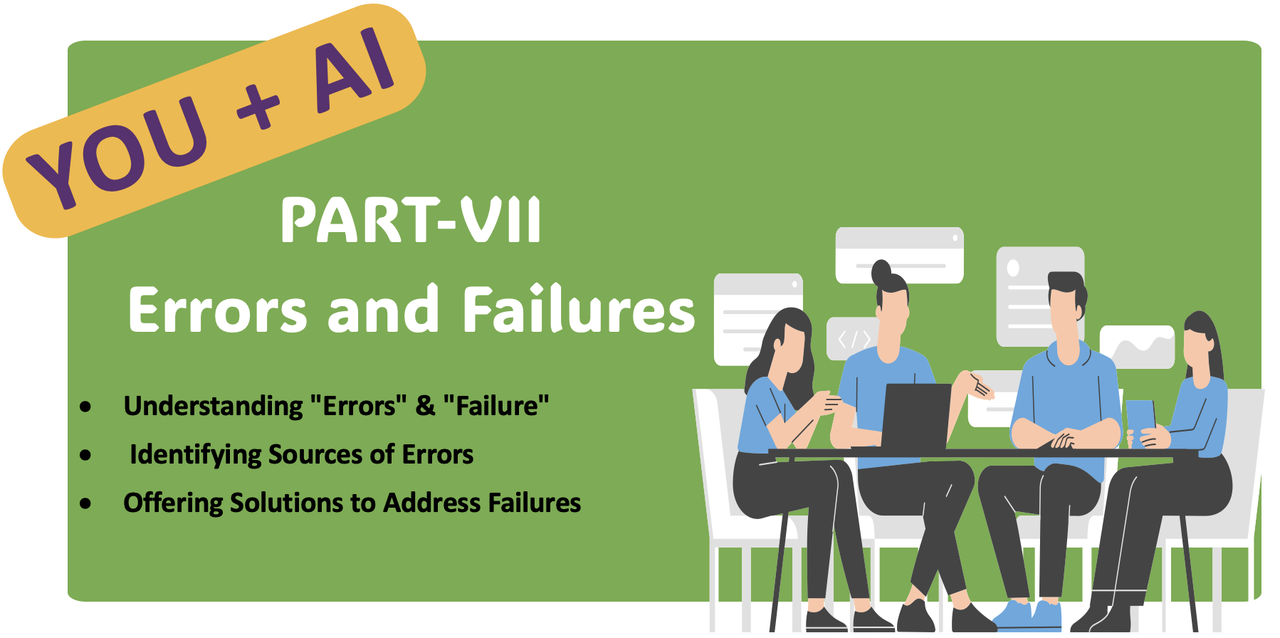
Key considerations for dealing with errors in AI-driven systems:
Understanding “Errors” & “Failure” in AI Systems
In AI systems, what constitutes an error or failure is closely tied to the user’s expectations. For instance, a recommendation system that is accurate 60% of the time may be perceived as a failure by some users and a success by others, depending on their individual needs and the purpose of the system. How these interactions are managed plays a crucial role in shaping or adjusting users’ mental models and building trust in the system.
Example: Consider an e-commerce platform where a recommendation algorithm suggests products to users. If a user frequently receives recommendations that don’t match their preferences, they might perceive this as an error or failure, leading to frustration and potentially impacting their trust in the platform.
Identifying Sources of Errors in AI Systems
AI systems can encounter errors from various sources, making them challenging to pinpoint and understand. These errors may manifest in ways that are not immediately obvious to both users and system creators, adding complexity to the troubleshooting process.
Example: In an online chatbot designed to assist customers with their orders, errors could arise from the bot misunderstanding user queries or failing to provide relevant information. These errors may stem from issues such as insufficient training data, linguistic nuances, or technical limitations, making it crucial for developers to identify and address these sources effectively.
Offering Solutions to Address Failures in AI Systems
As AI capabilities evolve, it’s essential to provide users with pathways to address and overcome encountered errors. Offering clear avenues for users to take action in response to errors fosters patience with the system, sustains the user-AI relationship, and enhances the overall user experience.
Example: In a virtual assistant app for managing tasks, if the AI fails to accurately interpret a user’s command, the app could offer alternative suggestions or provide step-by-step guidance to help the user achieve their intended outcome. By empowering users to navigate and resolve errors effectively, the app can strengthen user confidence and satisfaction with the AI-powered features.
Nielsen Norman Group has excellent resource for Error message guidelines
In summary, it’s really important for both users and creators of AI systems to understand mistakes and problems that can happen. Users might see things differently depending on what they expect from the AI. So, it’s essential for developers to figure out where these mistakes come from and how to fix them.
This means looking at things like data issues, complicated algorithms, or problems with how users interact with the system. By giving users clear ways to deal with these mistakes, we can help them feel more confident using AI technology.
As AI keeps getting better, it’s important to keep learning and improving so that everyone can have a smoother experience with these systems.







Leave a Reply