
In the introduction article, I mentioned about PMI’s Brightline Transformation Compass that identifies five key building blocks to guide organizations through the complexities of AI-driven change with “AI Driven Transformation Operating System “ as the third block
I am exploring this block in this article and the role of project and program leadership in the AI transformation
Success with transformation in the digital age is all about how well advanced technologies can be embedded into the core of organizational operations,. The above becomes even more important when considering AI-driven transformations. Therefore, the use of AI to improve customer experiences, optimize content delivery, and drive efficiency in marketing processes is no longer a strategic differentiator but a matter of survival.
After all, technology does not drive change; people do. Thus, how teams are put together and operated will define pace, effectiveness, and success of any such transformation. Hence, from an organizational structures point of view, an AI-driven transformation operating system needs to be put in place. That includes setting up the right organizational structures such as the transformation management office, the AI governance teams, and the cross-functional teams that will help not only drive but also sustain these AI initiatives.
The AI-driven Transformation Operating System
The OS powering AI-driven transformation in the Brightline Transformation Compass focuses on two key teams:
- Rapid Response Team (RRT): Centrally coordinated, this team includes senior executives in charge of product, talent, R&D, and supply chain. This is the team making fast, strategic decisions to ensure AI initiatives are not only cutting-edge but aligned with wider business goals.
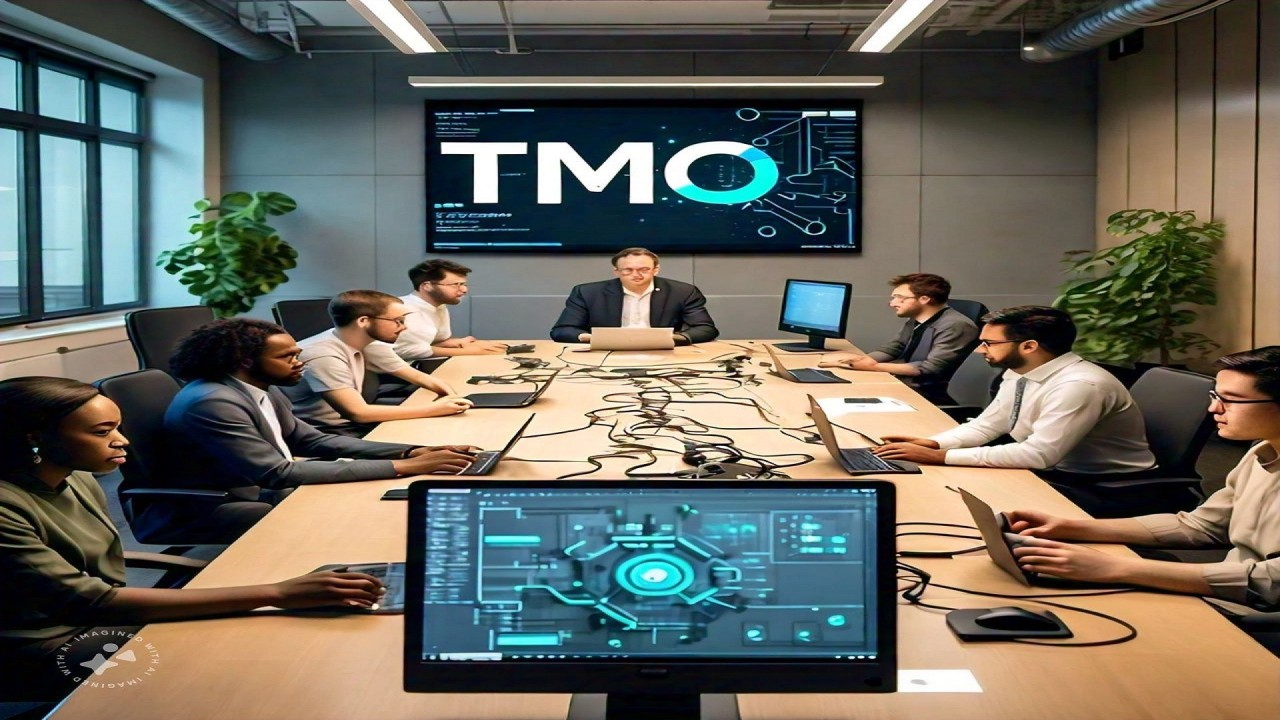
- Transformation Management Office(TMO) It lays down the governance in place for AI initiatives to ensure that AI projects align with business objectives and that they are delivered effectively. It calls out the key AI opportunities, keeps and manages the portfolio of AI projects, ensuring they feed into the overall transformation goals of the organization.
Such structures are fundamental in embedding AI into the DNA of the organization, ranging from content management and personalization to customer analytics and campaign automation for a Sitecore-based digital marketing agency
Role of Project and Program Managers
Project and Program Managers have the most significant role in implementing AI-driven transformation successfully . Their role goes beyond mere project management into the following:
- Alignment of AI Initiatives with Business Objectives: Project and program managers align AI initiatives with business outcomes, such as creating more engaging customers, increasing conversion rates, or efficient content delivery through a content management system in Sitecore.
- Coordination Across Cross-functional Teams: Transforms with AI require collaboration between data scientists, marketers, IT professionals, and content creators. The Project and Program Managers make sure that the teams are in sync for the same objective.
- Managing AI Project Lifecycles: Right from ideation to implementation, Project and Program Managers govern the entire lifecycle of AI projects. This would relate to scoping the project, managing resources, monitoring progress, and mitigating risks.
- Change Management: The introduction of AI could mean radically different ways of performing work. Therefore, managing such change, training of teams, and smooth integration of AI tools within workflows rest on the shoulders of the Project and Program Managers.
- Stakeholder Communication: Communication with regularity is very much essential to keep stakeholders updated regarding the progress of AI initiatives, manage expectations, and elicit buy-in.
AI-driven Transformation in a Sitecore-based Digital Marketing Agency
Let’s take the case of a Sitecore-based digital marketing agency to implement AI-driven transformation.
Scenario
The requirement of the agency is to incorporate AI into its content personalization engine, enhance customer segmentation, and manage campaigns on automated lines.
Key Steps:
- Forming RRT and TMO: The RRT will be constituted with the agency, comprising CDO, Practice Head, Technical Architects , Delivery leaders trained on AI, among others; constitute TMO to oversee all the projects on AI regarding the fulfilment of business objectives at large and maintaining the portfolio of AI initiatives.
- Pilot AI Projects: The agency identifies pilot projects involving AI-driven content personalization and automated customer segmentation or AI bots for personalized chat support. Each pilot is assigned a dedicated Project Manager who will work in close collaboration with TMO. This can
- Cross-functional Collaboration: The Project Manager shall facilitate the collaboration between the AI team and the Sitecore development team for integrating the AI tools with the Sitecore CMS capable of real-time content personalization.
- Training and Change Management: The Program Manager oversees a training program to make sure all members are comfortable using the new AI tools and enhanced workflows.
- Monitoring and Optimization: The Project Manager sets up KPIs by which to monitor the personalization engine and segmentation algorithms for effectiveness. Based on the outcome, continuous optimization is made in the AI models by the agency.
Scaling AI Initiatives: After successful pilots, TMO approves the scaling of AI initiatives across other areas of the agency including campaign automation and customer analytics.
Best Practices for AI-driven Transformation
- Set Well-defined and Measurable Objectives: Clearly define objectives of AI initiatives with a line to the general business objectives of the agency. This shall ensure that AI projects deliver tangible value.
- Encourage Collaboration Across Functions: Encourage collaboration among experts in AI, marketers, content developers, and IT to make sure the solutions are properly integrated and utilized effectively.
- Invest in Change Management: Get your teams ready for what AI is going to bring along with proper training and support so that it softens resistance to a smooth transition.
- Monitor and Iterate: KPIs will let you track the performance of AI initiatives. Be ready to iterate based on your results. Continuous improvement is critical to having AI realize full impact.
- Governance and Oversight: Finally, create a TMO to oversee AI initiatives. In this way, you are able to make sure that they support business objectives while managing risks effectively.
Project and Program Managers will be at the very core of this transformation-securing that AI initiatives are relevant in terms of business goals and effectively implemented and scaled into the organization. Organizations can thus embed AI into the organization’s fabric by continuing investment in cross-functional collaboration and change management, thereby driving innovation with great customer experiences.