Integration of artificial intelligence (AI) into various industries has brought forth unprecedented opportunities and challenges. With AI technologies automating tasks across sectors, there’s a growing demand for individuals to upskill and reskill to stay relevant in the job market.
Upskilling in the age of AI is not just a matter of personal development; it’s a necessity for thriving in a world where technological advancements are reshaping job roles and requirements. Let’s delve into some effective strategies for navigating this era of AI-driven transformation.
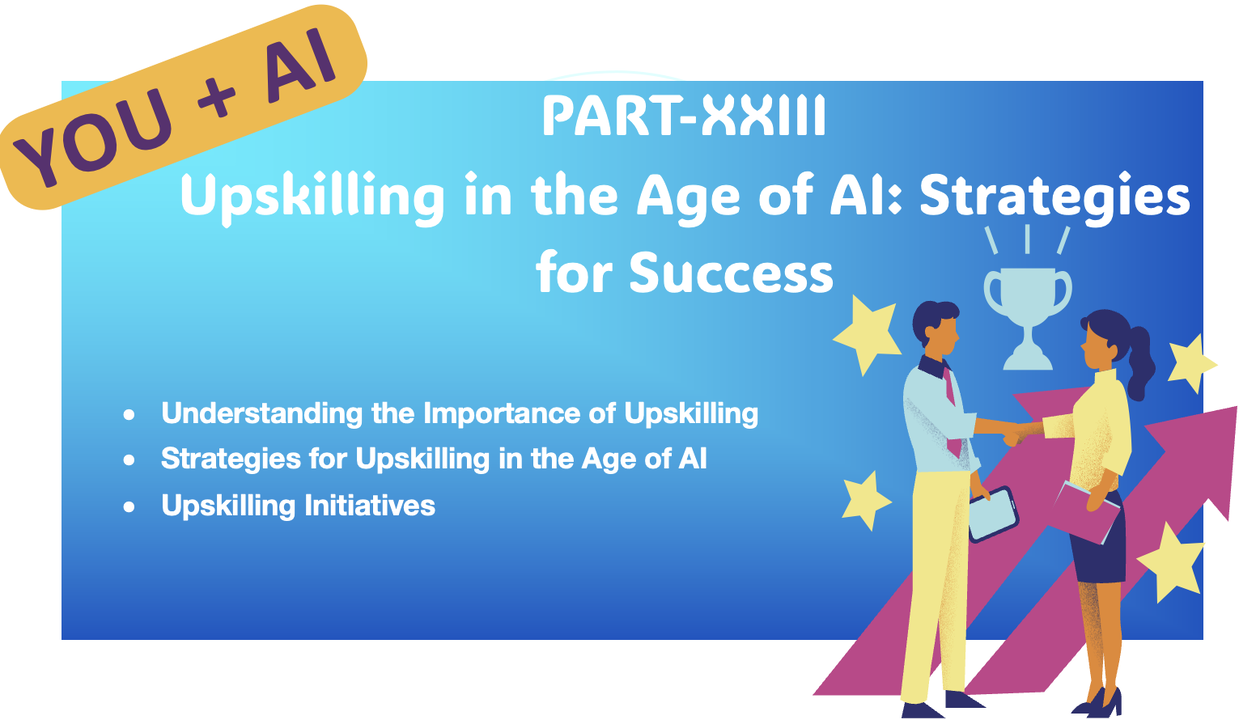
Understanding the Importance of Upskilling
Before diving into strategies, it’s essential to grasp why upskilling is crucial in the age of AI. AI has the potential to augment human capabilities, making processes more efficient and enabling individuals to focus on higher-value tasks.
However, it also poses a threat to traditional job roles, as automation replaces repetitive tasks. Therefore, upskilling becomes imperative to adapt to these changes, remain competitive, and seize new opportunities that arise from AI integration.
Strategies for Upskilling in the Age of AI
- Identify Relevant Skills: Begin by identifying the skills that are most in-demand in your industry or desired field. This may include technical skills like data analysis, programming, machine learning, or soft skills such as critical thinking, creativity, and adaptability. Tools like LinkedIn Learning, Coursera, and Udacity offer courses tailored to specific skills and industries.
- Continuous Learning: Embrace a mindset of lifelong learning. AI technologies evolve rapidly, and staying updated with the latest advancements is crucial. Platforms like Kaggle, GitHub, and Stack Overflow provide access to real-world projects, datasets, and collaborative learning opportunities.
- Hands-On Experience: Theory alone isn’t sufficient; practical experience is paramount. Seek internships, freelance projects, or volunteer opportunities where you can apply your newfound skills in real-world scenarios. Building a portfolio of projects demonstrates your capabilities to potential employers.
- Collaborative Learning Communities: Engage with communities of like-minded individuals who are also upskilling in AI-related fields. Participate in forums, attend workshops, and join meetups or online groups such as AI Saturdays, Women in Machine Learning & Data Science, or local tech meetups.
- Mentorship and Networking: Connect with experienced professionals in AI or related fields who can offer guidance and mentorship. Networking platforms like LinkedIn can facilitate these connections. Mentors can provide valuable insights, career advice, and help navigate the complexities of upskilling.
- Specialized Certification Programs: Consider enrolling in specialized certification programs offered by reputable institutions or organizations. Certifications in AI, such as Google’s TensorFlow Developer Certificate or Microsoft’s AI Engineer Certification, validate your expertise and enhance your credibility in the job market.
- Adaptability and Resilience: Cultivate adaptability and resilience as core traits. The job market is dynamic, and unexpected changes are inevitable. Being adaptable allows you to pivot quickly and thrive in diverse environments, while resilience helps you bounce back from setbacks and challenges.
Upskilling Initiatives
- IBM’s SkillsBuild: IBM’s SkillsBuild platform provides free learning resources and personalized learning paths in areas such as AI, cloud computing, cybersecurity, and data science. It offers hands-on labs, virtual mentoring, and industry-recognized certifications to help individuals acquire relevant skills.
- Google’s Grow with Google: Google’s Grow with Google initiative offers a variety of free training programs and resources to help individuals grow their skills in digital marketing, data analysis, machine learning, and more. It includes courses, workshops, and online tools to support lifelong learning and career advancement.
- Microsoft’s AI Business School: Microsoft’s AI Business School offers resources and case studies to help business leaders understand and implement AI technologies in their organizations. It covers topics such as AI strategy, responsible AI, and building an AI-ready culture, catering to both technical and non-technical audiences.
Frameworks and Tools for Upskilling
- Frameworks: Frameworks such as the AI Capability Framework by the AI Forum of New Zealand provide a structured approach for organizations and individuals to assess their AI capabilities and identify areas for development. These frameworks offer guidance on skills, processes, and governance required for AI adoption.
- Tools: Tools like TensorFlow, PyTorch, and scikit-learn are widely used in AI development and machine learning. Online platforms such as GitHub and GitLab facilitate collaborative coding and version control, while cloud platforms like AWS, Google Cloud, and Microsoft Azure offer scalable infrastructure for AI projects.
In the age of AI, upskilling is not just an option; it’s a necessity for individuals and organizations alike. By adopting a proactive approach to learning, embracing continuous improvement, and leveraging available resources and networks, individuals can stay ahead of the curve and thrive in a rapidly evolving job market. Upskilling in AI opens doors to new opportunities, empowers individuals to contribute meaningfully to the advancement of technology, and ensures a sustainable future in the digital era.